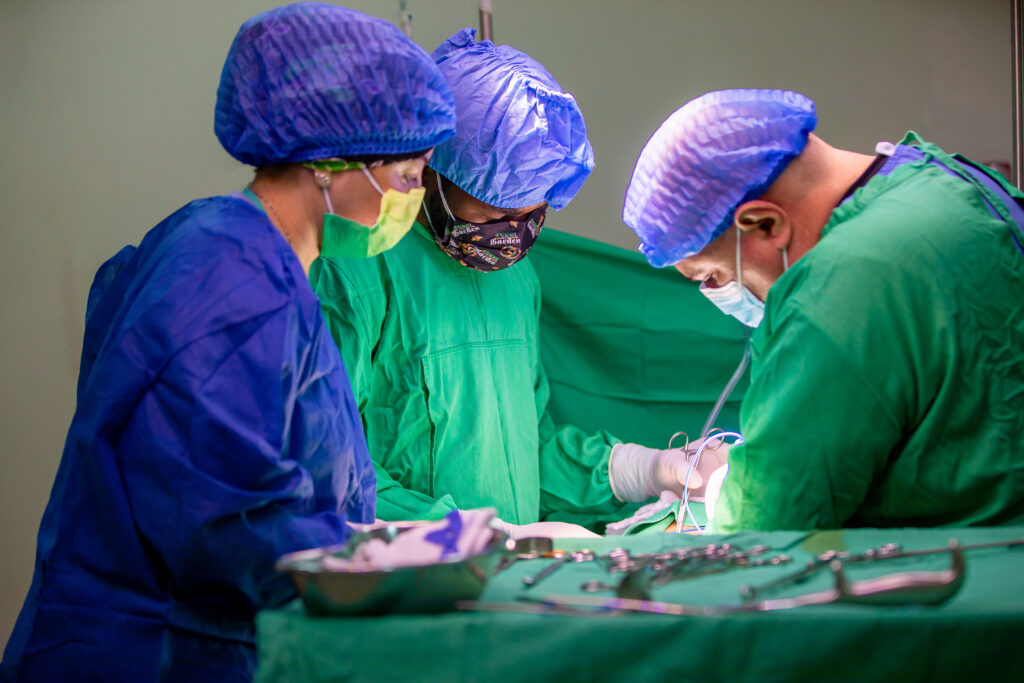
Medicine is constantly evolving. As we gain knowledge and learn new skills, patient care improves. That’s why professional academies and hospitals in the U.S. provide—and demand—regular professional development.
Winter 2022 News
Medicine is constantly evolving. As we gain knowledge and learn new skills, patient care improves. That’s why professional academies and hospitals in the U.S. provide—and demand—regular professional development.
More than 25 years have passed since Andean Health & Development began. Like any organization, it has faced multiple challenges: human, financial, social and even political.
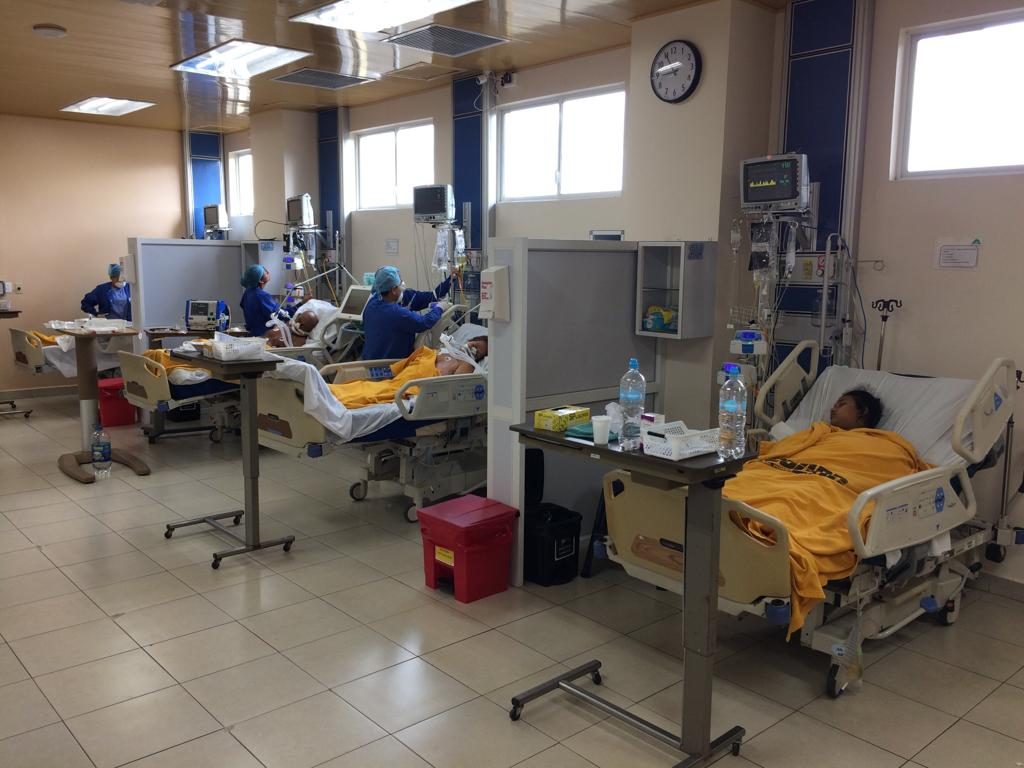
We had a census of 50 hospitalized patients at Hesburgh Hospital in February: a new milestone. Where did they come from? Most came from Ecuador’s ministry of public health and social security systems.
COVID-19 has forced so many changes in the world, and AHD is no exception. The pandemic significantly changed the patient mix at our hospitals, had a substantial impact on our staff, and generally has exhausted everyone. It
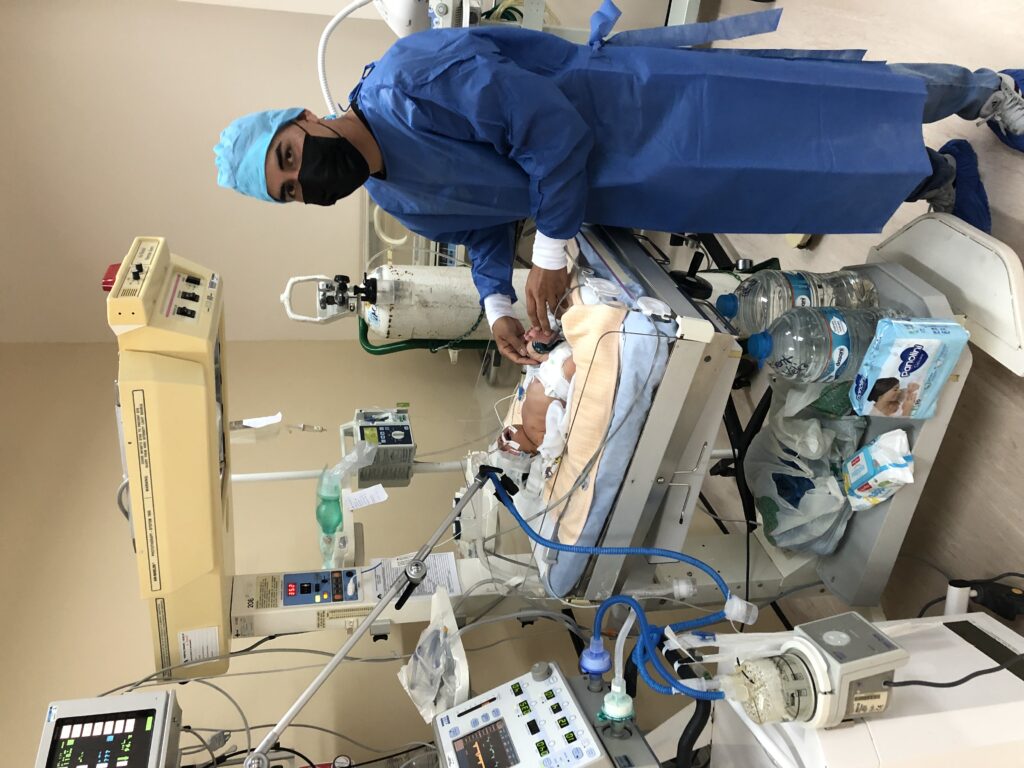
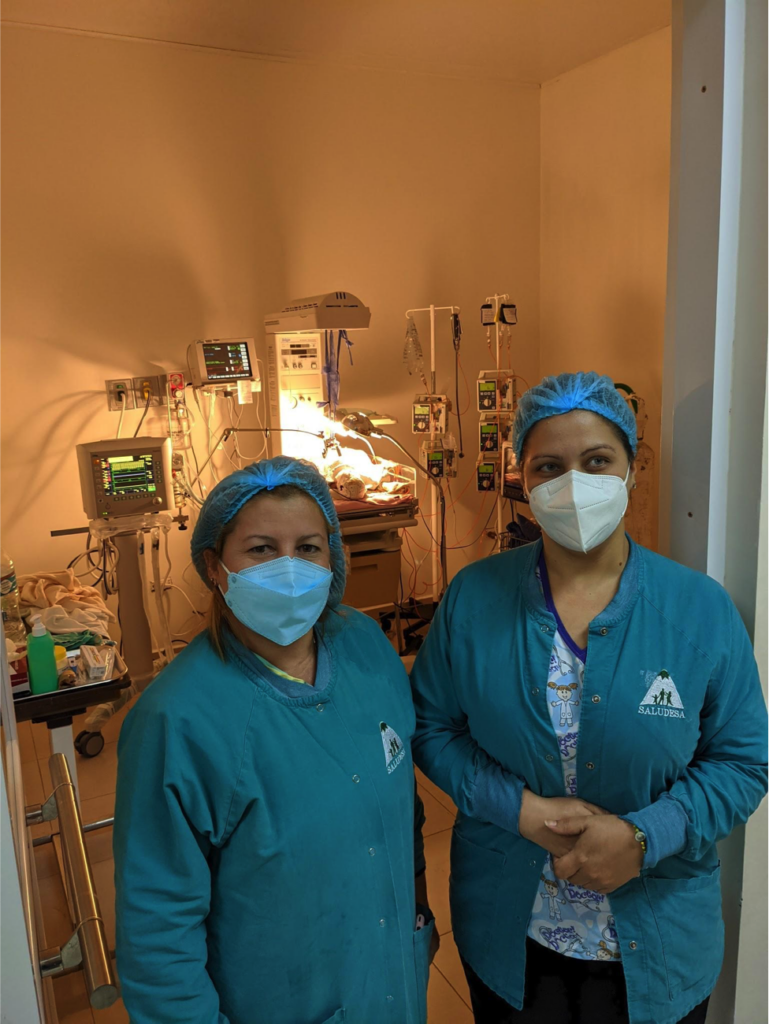
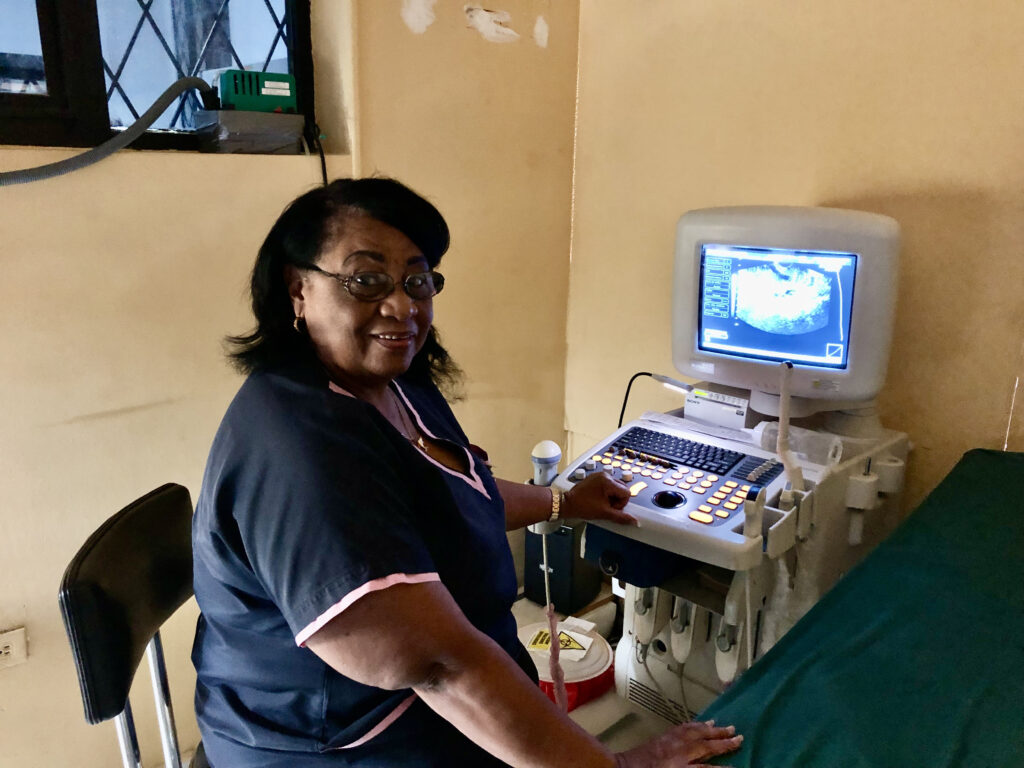
Humans aren’t the only ones who get fatigued with age. Over time, medical equipment grows weary as well. Our two hospitals are equipped with medical equipment we received, in some cases, almost 20 years ago, and it was used before it got to us.
While conditions surrounding the pandemic in the U.S. appear more encouraging with each passing day, the same cannot be said about Ecuador and many other low-income countries. Latin America has been hit disproportionately hard compared to other regions of the world. During the past two months, public hospitals have once again filled to capacity,
The pandemic has revealed much about healthcare systems, health inequalities, and social determinants of health, such as poverty, geography, language, culture, education and employment. While tragic, many of these issues come as no surprise. In Ecuador, it appears that some of our hardest hit populations have been poor, undereducated, non-Spanish-speaking indigenous communities in the countryside.
The Laboratory and the Real World In the fall of 1987, I was on my way to my first day of parasitology lab when I ran into a Zahm Hall freshman who asked where I was going. When I told him, he said, “Parasitology? Is that the study of how bugs think?” I thought
From the Field
As in the U.S., life has changed considerably in Ecuador since the Coronavirus pandemic hit. In this newsletter, we hope to give you a better idea of what has happened here, tell some patient stories to illustrate the challenges, and explain our response as a regional health care provider within the broader Ecuadorian context.
While watching events unfold in the U.S., we are struck by both the similarities and the differences in the political, medical, and the community’s response to the pandemic between these two countries.
From the Field
Are hospitals good for the health of our communities? At first glance, you might say, “of course!” But peel off a few layers and you might find some sticky questions. Why do hospitals and hospital procedures cost so much? Does the health benefit they provide justify the cost, especially when compared to other health interventions outside of the hospital? As just one example, how does the impact of a $15,000 heart bypass surgery compare to 15,000 vaccinations at $1 each? Likewise, we often wonder why so many health dollars are spent near the end of life for sometimes seemingly needless interventions, when less costly and often more humane palliative or hospice care options are readily available…